


During the training the following scenarios were worked out:
1. Failure to comply with the lawful requirements of a police officer during a vehicle stop at the checkpoint (refusing to provide documents, refusing to step out of your vehicle, not allowing to search the vehicle, insulting a police officer, inappropriate behavior, a driver is under the influence of alcohol or drugs);
2. A set of actions in case of tracing driver’s PTSD symptoms during a vehicle stop;
3. Detection of weapons and explosives after a vehicle stops at a checkpoint (when searching the vehicle; the threat of it being used by the driver and passengers).

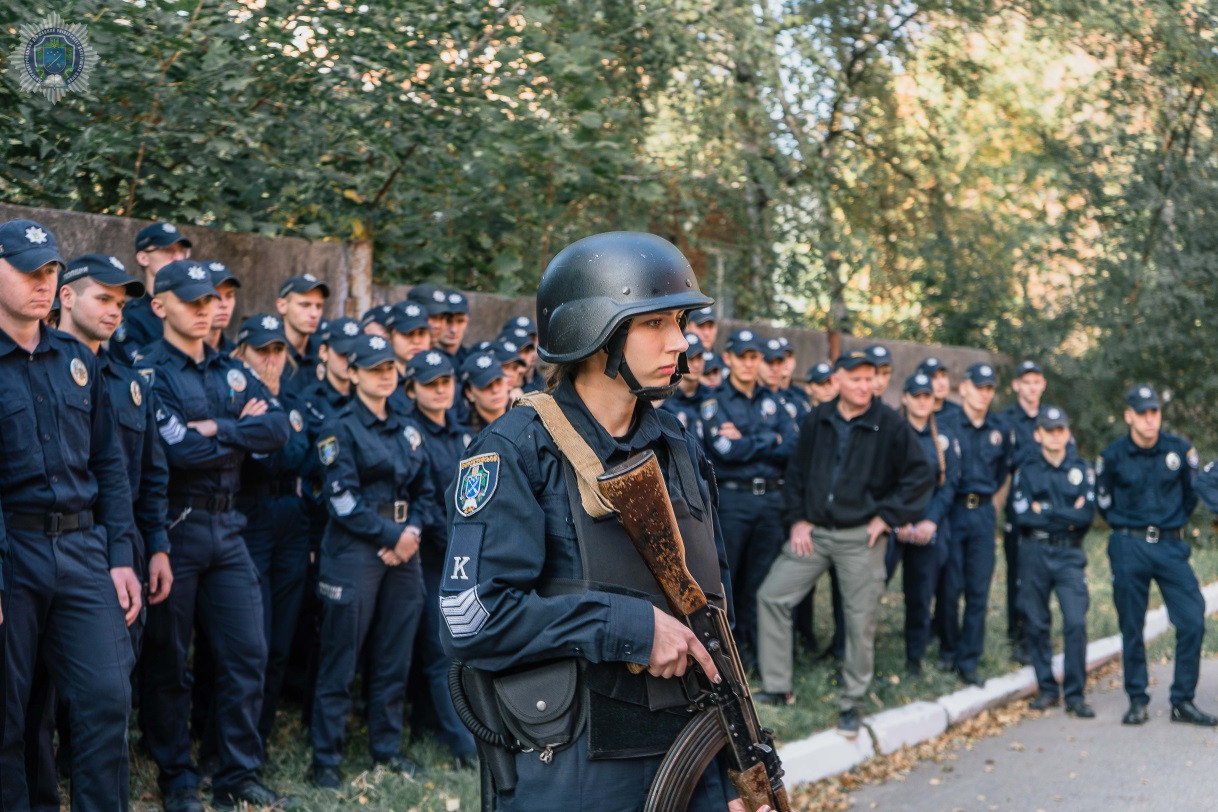
Practical police officers who have experience of working at checkpoints in the liberated territories, employees of the Patrol Police Department and teachers of the department of tactical and special training took part in the training.
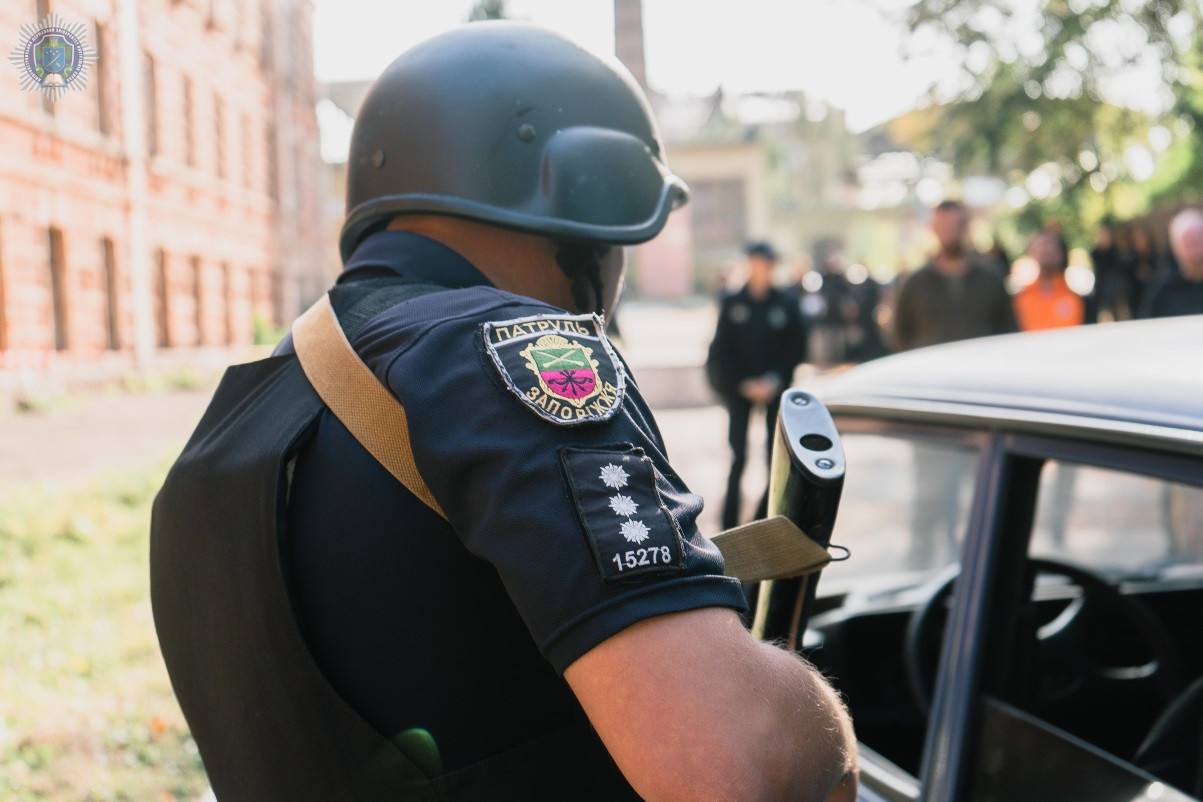
The participants of the training worked out situational tasks which seemed the closest to the real conditions of service.
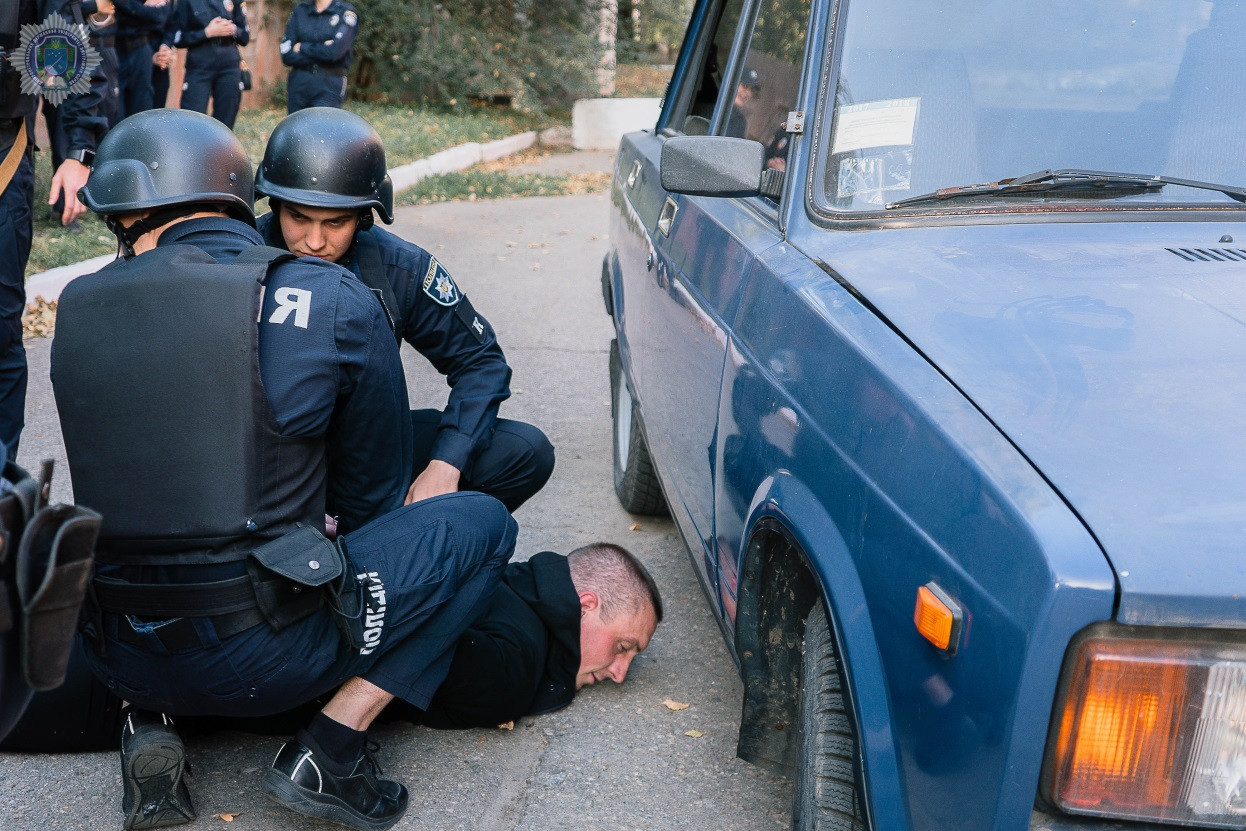
At the end of each task the teachers/instructors conducted a debriefing and provided a set of legal and safe actions of police officers in situations of varying degrees of risk. The emphasis was put on ensuring the personal safety of the police officer.

Appropriate communication techniques with individuals who have inappropriate behavior and symptoms of PTSD were also worked out.
In the future, it is planned to conduct field classes for cadets and teachers at the checkpoints in order to familiarize them with the procedure during the organization of the access regime.