


Kharkiv National University of Internal Affairs (KhNUIA), together with the Ministry of Internal Affairs of Ukraine, presented the results of their work on the RESONANT project, funded under the European Union’s Horizon Europe programme, at the project’s final conference in Brussels.
The project’s primary objective is to conduct a comprehensive analysis of the tactics, techniques and procedures (TTPs) used in foreign information manipulation and interference (FIMI) targeting diaspora communities across EU Member States, with particular emphasis on countering hostile information operations conducted by Russia and other authoritarian regimes.
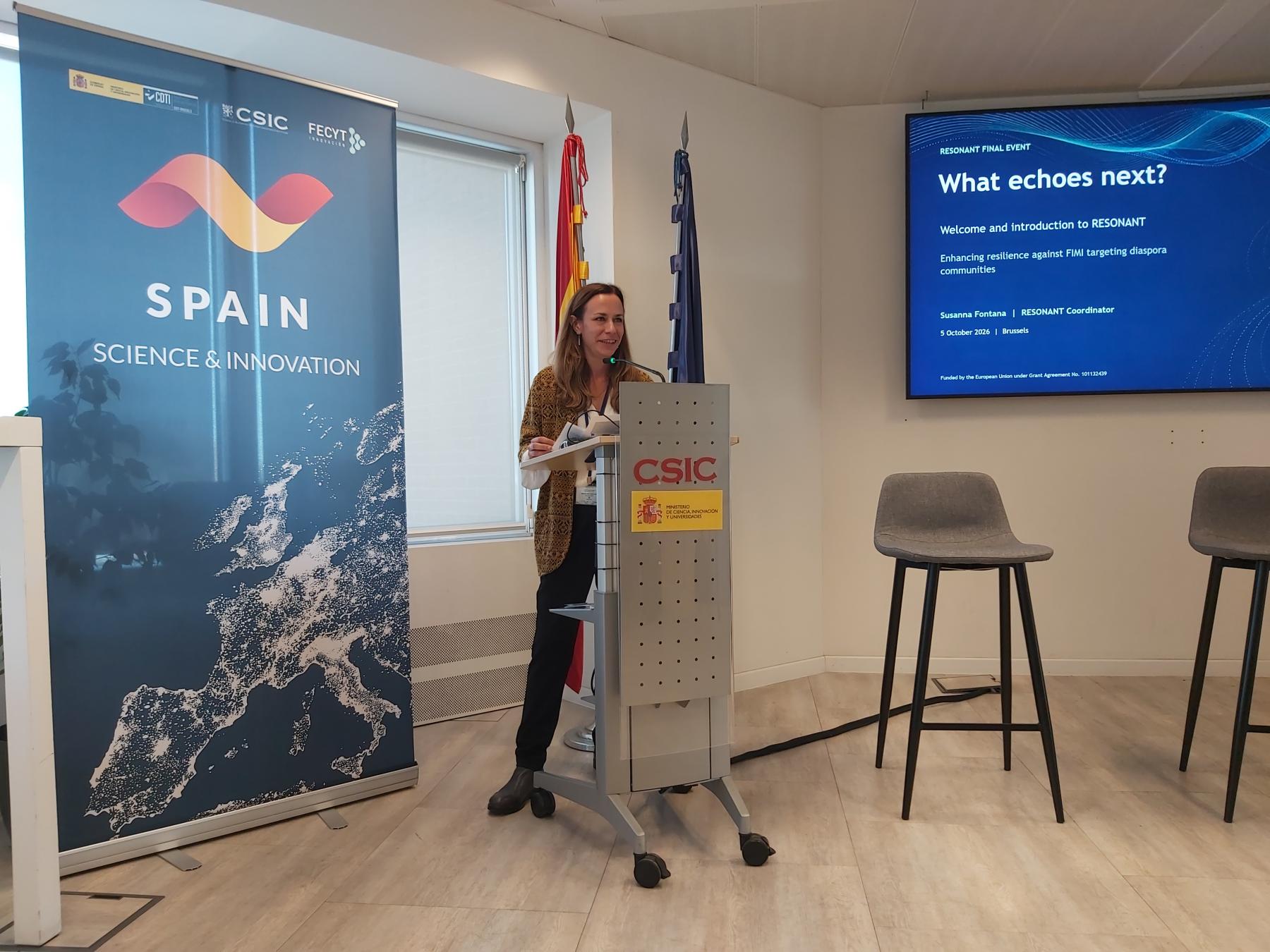
The University was represented by Oleksii Serdiuk, Head of the Research Laboratory for Social and Psychological Support, Assistance and Rehabilitation of Ministry of Internal Affairs Personnel.
Funded by the European Commission, the RESONANT project is scheduled to conclude in November 2026. The Ukrainian partners have fully fulfilled their obligations under the grant agreement. In particular, they classified disinformation and information suppression tactics and contributed to the joint development of the project’s final methodological output, the RESONANT Handbook. The handbook includes an assessment of behavioural effects, an incident reporting form and a response matrix.
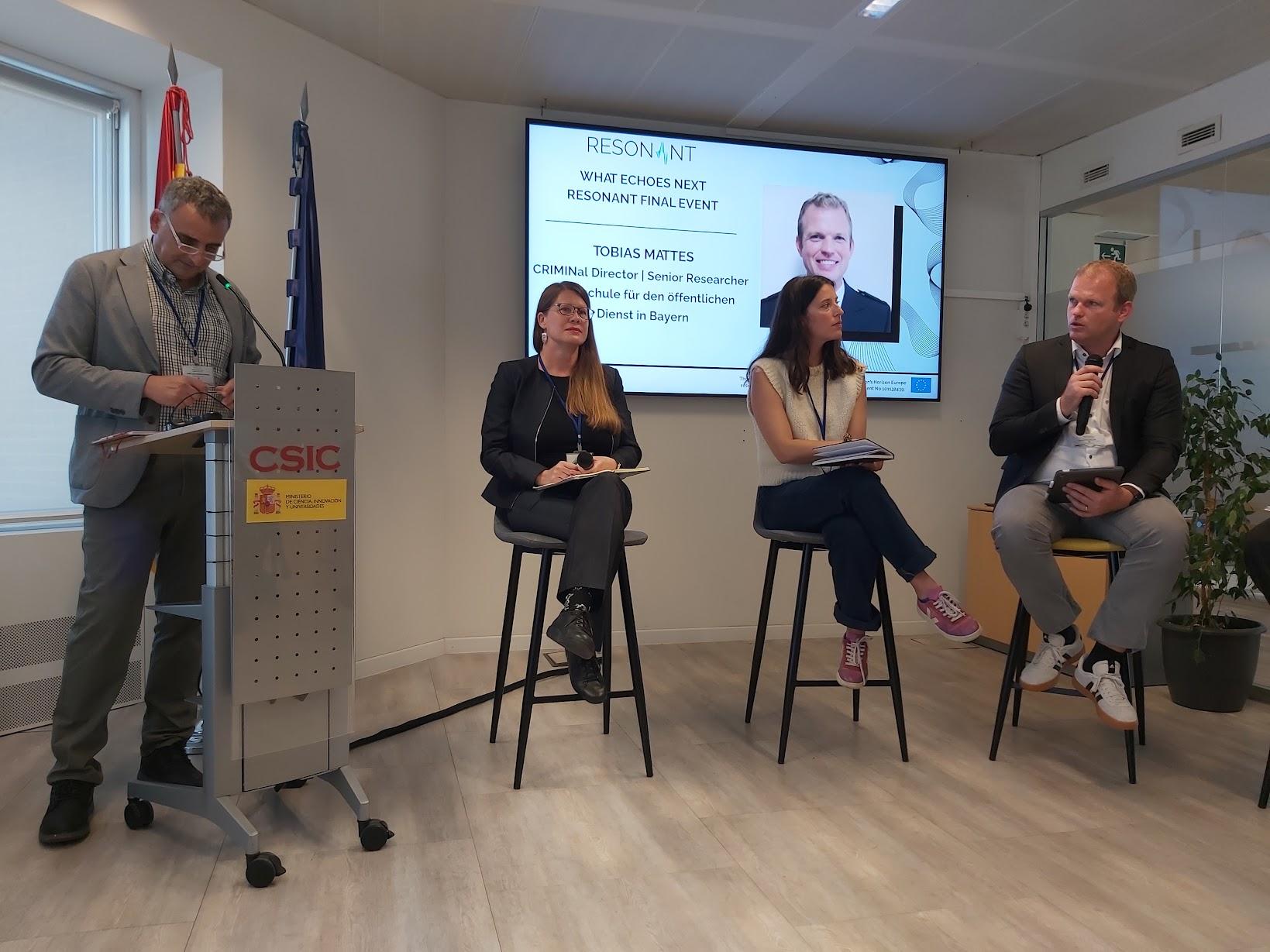
During the final conference, entitled “What Echoes Next: RESONANT Final Event”, and the Stakeholder Board meeting, leading European experts, including representatives of the European External Action Service (EEAS), highlighted a shift in approaches to countering disinformation. Experts noted that successful foreign interference is often reflected not in an increase in the volume of false information but in the phenomenon of “silence as a signal” — when intimidation and self-censorship effectively silence citizens and exclude their voices from public discourse.
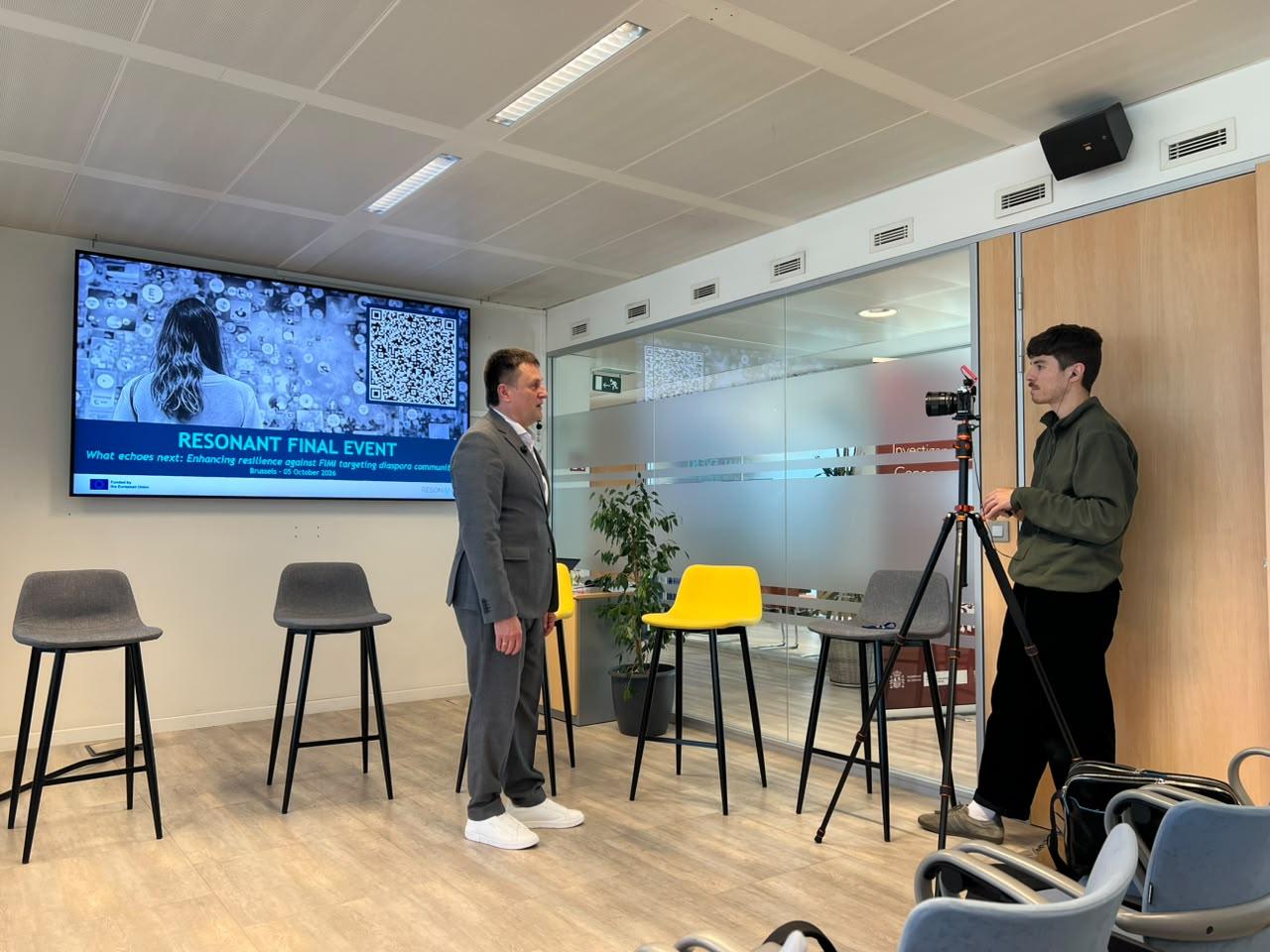
During a policy roundtable, experts from the Molfar Intelligence Institute, the Bavarian Criminal Police and international organisations discussed in detail the four pillars of the EU’s security framework: situational awareness, community resilience, regulation and strategic responses.
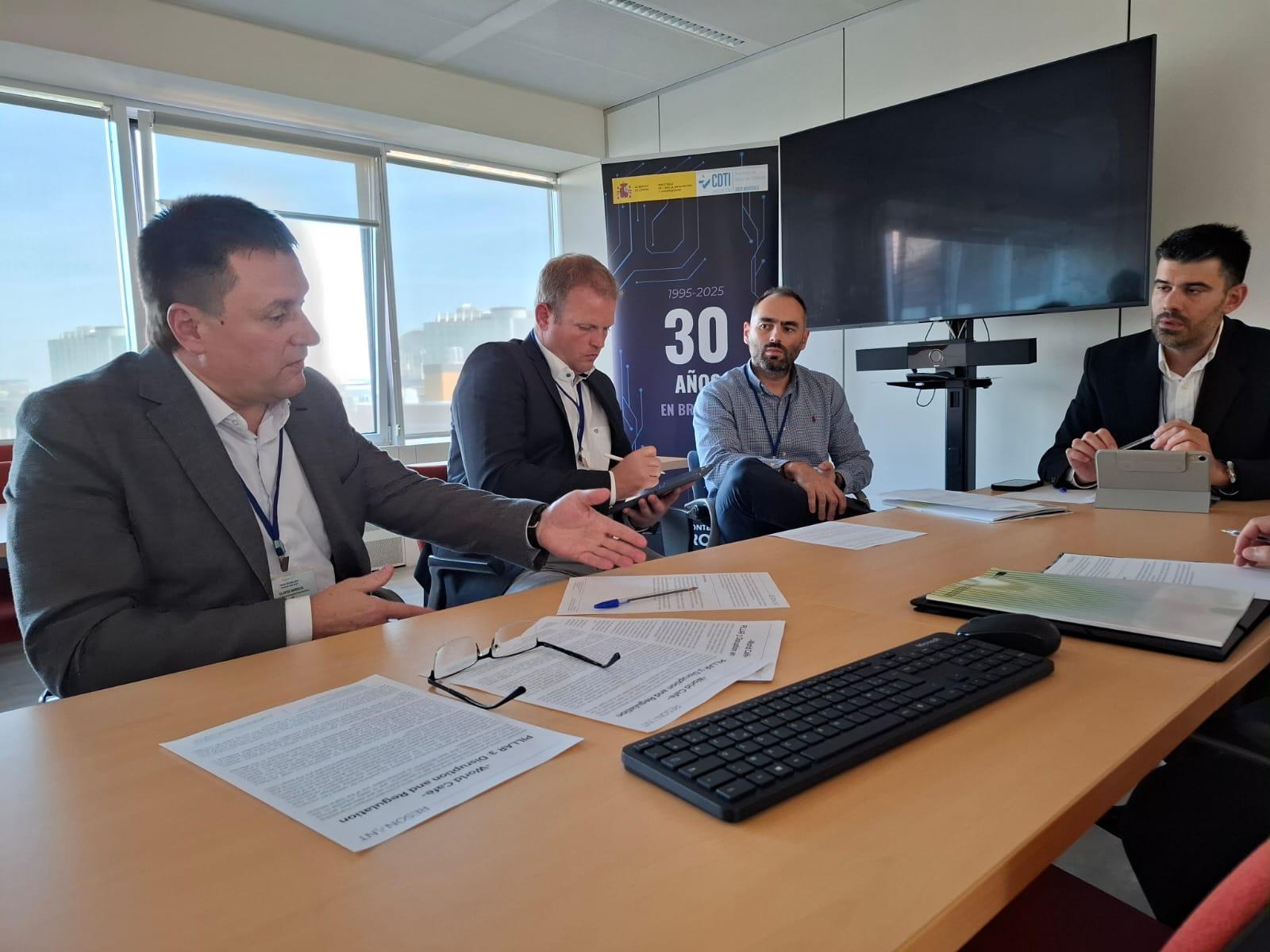
At its meeting, the project’s Steering Board agreed on the final reporting schedule and approved plans for implementing the project’s outcomes. The tools and modules developed as part of the RESONANT Handbook will be integrated into the training programmes of the Bavarian Police Academy, the Greek Police (KEMEA) and the professional training programmes of Ukrainian law enforcement agencies.
The project has expanded KhNUIA’s network of international partners and laid the groundwork for future research initiatives supported by the European Commission.
The RESONANT Handbook is available on the project’s official website: https://resonantproject.eu/resonant-outputs.
