Kharkiv National University of Internal Affairs hosted an English conversation club dedicated to the topics of accessibility, inclusion and tolerant communication. The event, held as part of National Accessibility Week in Ukraine, continued the tradition of discussing current social issues in English in a friendly and open atmosphere..png)
The session was organized by the International Cooperation Department. Participants included a representative from the U.S.—Dominique Geer, Director and Teacher of the ArcoMusicAcademy (USA) Music Academy, a cellist from Hilton Head Island (South Carolina, USA), Huda Bakech, a cadet at the Netherlands Police Academy; Mattias Bogefors, a musician and educator from Sweden; and Oleksii Zamirko, a specialist from the Service Organization Department of Kharkiv National University of Internal Affairs and a veteran of the 79th Separate Airborne Assault Tavriya Brigade..png)
The event was held in a hybrid format with the participation of students of the Educational and Research Institutes No. 1–5 and university staff. The moderator was Tetiana Matiushkova, Head of the International Cooperation Department.
During the meeting, Dominique Geer shared her experience interacting with people of all ages who have disabilities and emphasized that a person’s need for assistance is not always obvious to those around them. She also spoke about changes in the attitudes of American society and government toward accessibility and inclusion.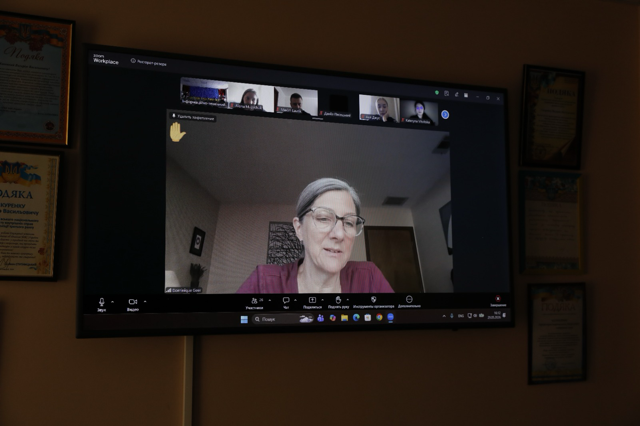
Tykhin Shevchenko emphasized the importance of police officers communicating effectively with people who are in stressful or difficult life situations, as this helps avoid conflicts and life-threatening situations.
Oleksii Zamirko shared his personal experience of overcoming barriers after being wounded and emphasized the need to support war veterans, people with disabilities, and everyone who needs attention, understanding, and equal opportunities. He paid special attention to a culture of respect, tolerance, and responsible treatment of one another, and also answered questions regarding the specifics of law enforcement communication with veterans and people with disabilities.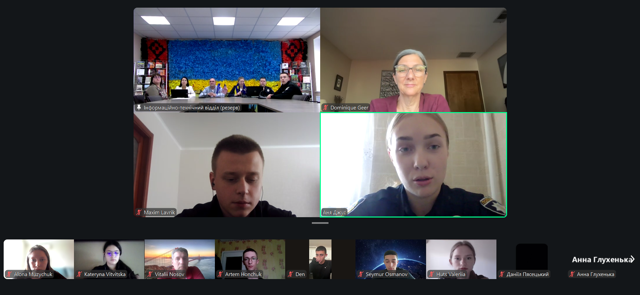
Liudmyla Sobchenko noted positive changes in the area of inclusion in Ukraine, particularly in the educational processes of schools and higher education institutions, which are helping to create better conditions for the education and development of people with disabilities.
Cadets Anna Dzhus and Miliena Tsvietkova emphasized the importance of promoting the principles of accessibility, equality, and respect for human dignity. They spoke about inclusion in European Union countries, particularly Norway, as during the Erasmus+ training course they studied European approaches to crisis communication, the protection of the rights of vulnerable groups, and the promotion of equal opportunities..png)
Huda Bakech sent a video message to the participants in which she raised the issues of accessibility and inclusion in the context of national and religious characteristics, and cited examples of successful police engagement with Muslim communities.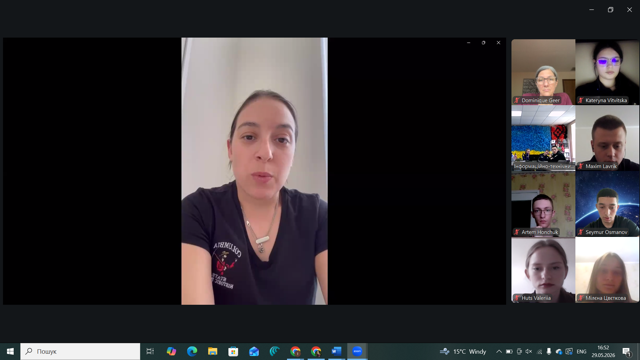
A pleasant surprise was the participation of Swedish musician and educator Mattias Bogefors—a member of the “Repower” volunteer initiative, created to support Ukrainian combat medics. He presented a therapeutic method called “Harmonica Therapy,” aimed at improving breathing, reducing stress, and alleviating pain.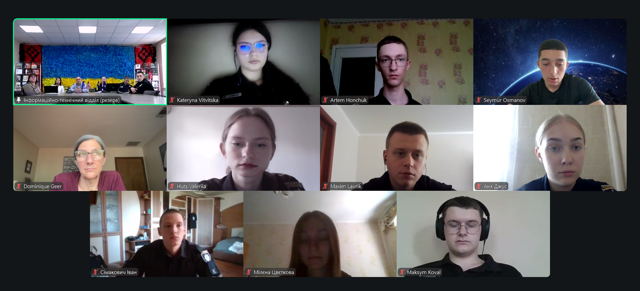
Participants actively discussed how a culture of equal opportunities and respect for every individual is being implemented in various spheres of public life in Ukraine and around the world. Everyone agreed that such meetings are important for overcoming communication barriers, developing an inclusive environment, and strengthening mutual understanding in modern society.