


Oleksii Serdiuk, Head of the Research Laboratory of Social and Psychological Support, Assistance and Rehabilitation of the Ministry of Internal Affairs of the Educational and Research Institute №3 of Kharkiv National University of Internal Affairs, took part in an expert group meeting organised by the United Nations Office on Drugs and Crime (UNODC). The event was dedicated to the revision of the Training Manual for Law Enforcement Officials on HIV Service Provision for People Who Inject Drugs.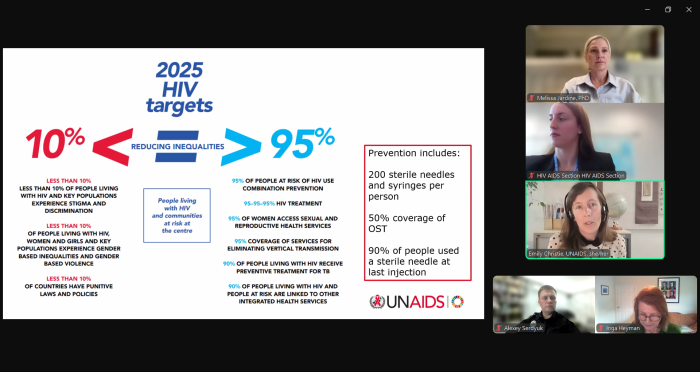
The main innovation in the 2024 edition is the expansion of its scope beyond people who inject drugs to cover all key populations, including sex workers, men who have sex with men, transgender people and people in prisons and other closed settings. This comprehensive approach recognises the intersecting vulnerabilities and heightened health risks of these groups, as well as the critical role of law enforcement in ensuring evidence-based and human rights-based approaches.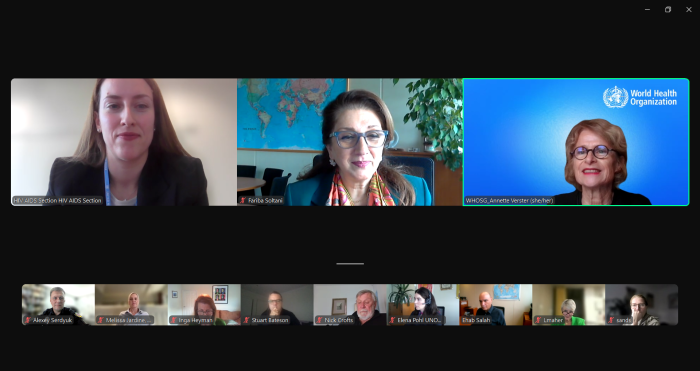
The revised manual also introduces approaches based on trauma-informed policing and evidence-based decision-making, providing law enforcement officials with practical tools to incorporate health-focused approaches into their daily work. The guide includes an expanded range of accessible case studies drawn from peer-reviewed literature and practice that demonstrate the real-world impact of policing and public health approaches on key populations.
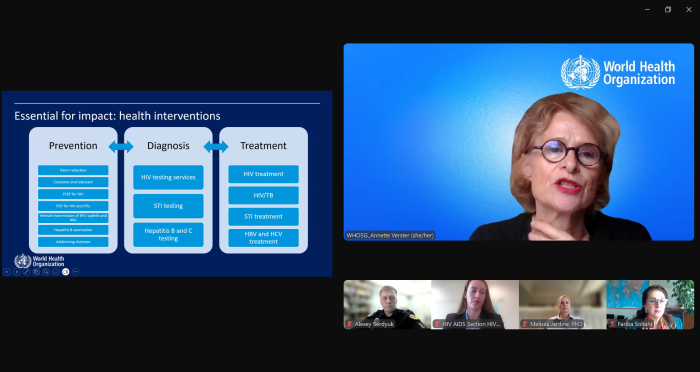
The updated guide is aligned with international frameworks, including the UN General Assembly Political Declaration on HIV/AIDS and the Global AIDS Strategy 2021-2026, supporting the achievement of global goals for equitable access to services. It serves as a dynamic technical resource that can be adapted to specific local contexts and needs, while maintaining its foundation in evidence-based, human rights-based approaches.
The participation of KhNUIA in this important initiative underscores the commitment of Ukrainian academics to the development of evidence-based law enforcement practices that protect public health and support vulnerable populations. The updated handbook will be an important tool in the training of current and future law enforcement officers in Ukraine and around the world.