


Kharkiv National University of Internal Affairs hosted an interuniversity round table titled "Language Security and Humanitarian Dimensions of Modern Ukrainian State-Building Amid War and Legal Challenges." The scientific event brought together researchers, practitioners, and higher education students in a hybrid format: discussion hubs were set up at university locations in Kamianets-Podilskyi and Vinnytsia, alongside an online platform that enabled specialists from various parts of Ukraine to join.
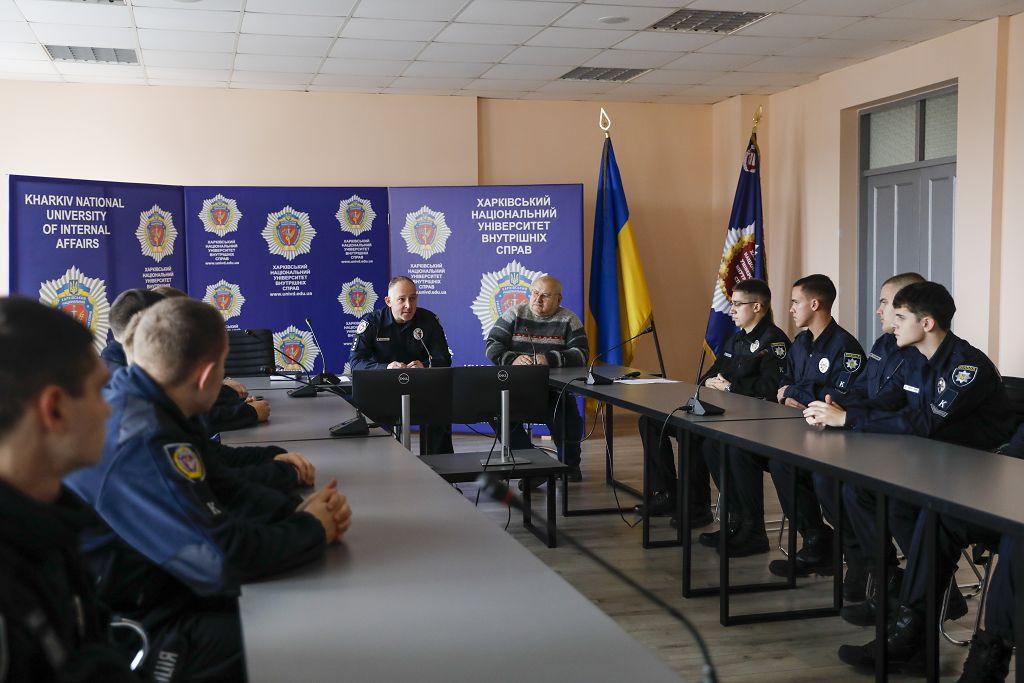
The event was opened by First Vice-Rector of KhNUIA Viktor Vasylenko, who welcomed the participants on behalf of the rectorate. He emphasized that language, culture, and national identity are fundamental components of national security, equal in significance to physical defense borders. Modern law enforcement officers must combine professional and combat training with high state consciousness, linguistic resilience, and an understanding of the sociocultural context.
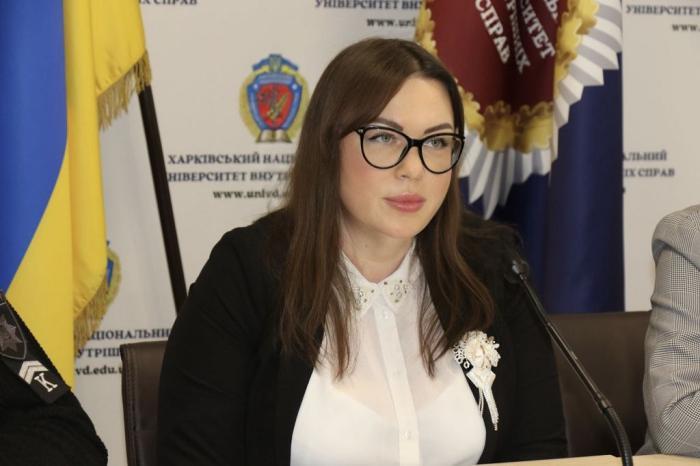
The sessions continued under the direction of Nataliia Yelnikova, Head of the Department of Humanities and Ukrainian Studies, who noted that language security has long surpassed theoretical boundaries — it serves as the foundation for mental de-occupation, sovereignty, and countering hybrid threats.
Окрему увагу під час круглого столу було зосереджено на гострих викликах воєнного часу, що вимагають невідкладних рішень на державному й суспільному рівнях. Учасники дискусії детально проаналізували механізми забезпечення неухильного дотримання мовного законодавства в умовах правового режиму воєнного стану. Значний резонанс викликало обговорення юридичних і освітніх інструментів відновлення українського мовного середовища на деокупованих територіях та пошуку балансу між процесами дерусифікації й деколонізації та міжнародними стандартами у сфері прав людини.Special attention during the round table was focused on the acute wartime challenges requiring urgent decisions at both state and societal levels. Discussion participants conducted a detailed analysis of mechanisms ensuring strict compliance with language legislation under the legal regime of martial law. The discussion on legal and educational tools for restoring the Ukrainian language environment in de-occupied territories, as well as finding a balance between derussification and decolonization processes and international human rights standards, generated considerable interest.
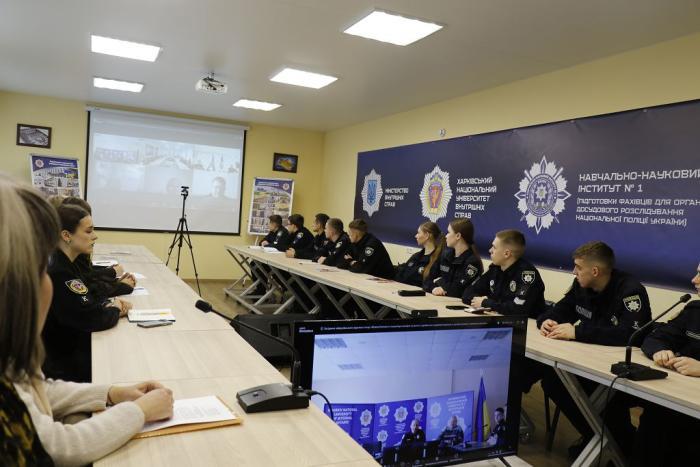
A strong key vector of the discussion was the use of modern technologies, particularly artificial intelligence. Scientists and practitioners lively discussed the dual role of AI in today's reality: both as a tool for monitoring the linguistic space,automated translation, content creation in Ukrainian, and countering enemy information-psychological operations (IPSO),and as a new challenge carrying risks of algorithmic disinformation.
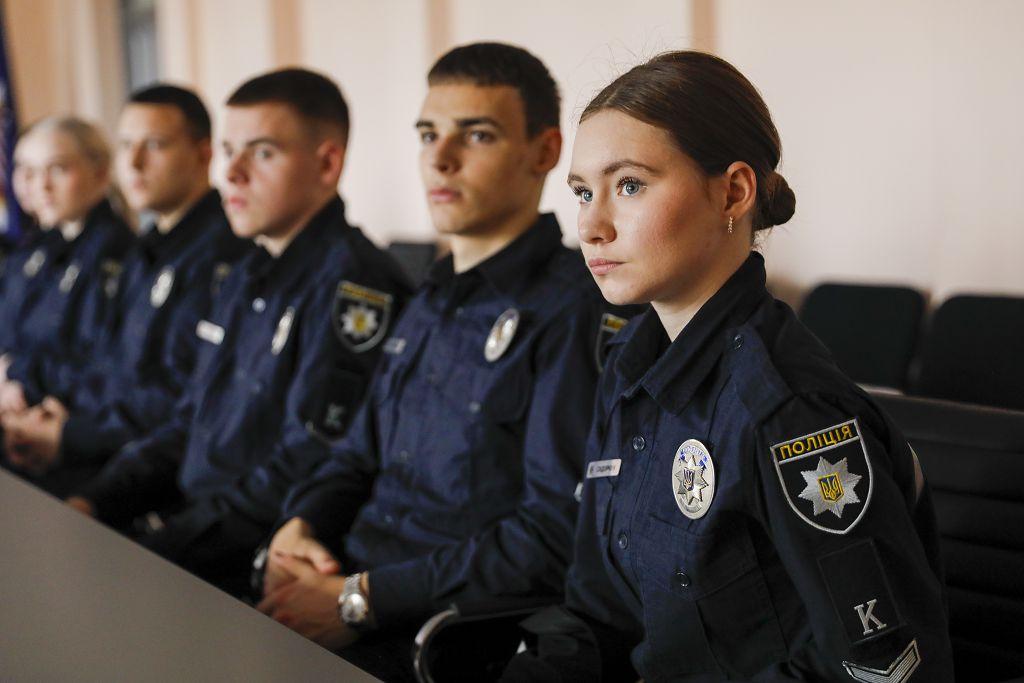
The participants' presentations were marked by sharp discussions, engaging debate, and a high level of professional analytics. Representatives of various fields of knowledge proposed actionable approaches to strengthening the state's humanitarian sovereignty, which will be included in the final collection of proceedings and practical recommendations of the round table.

