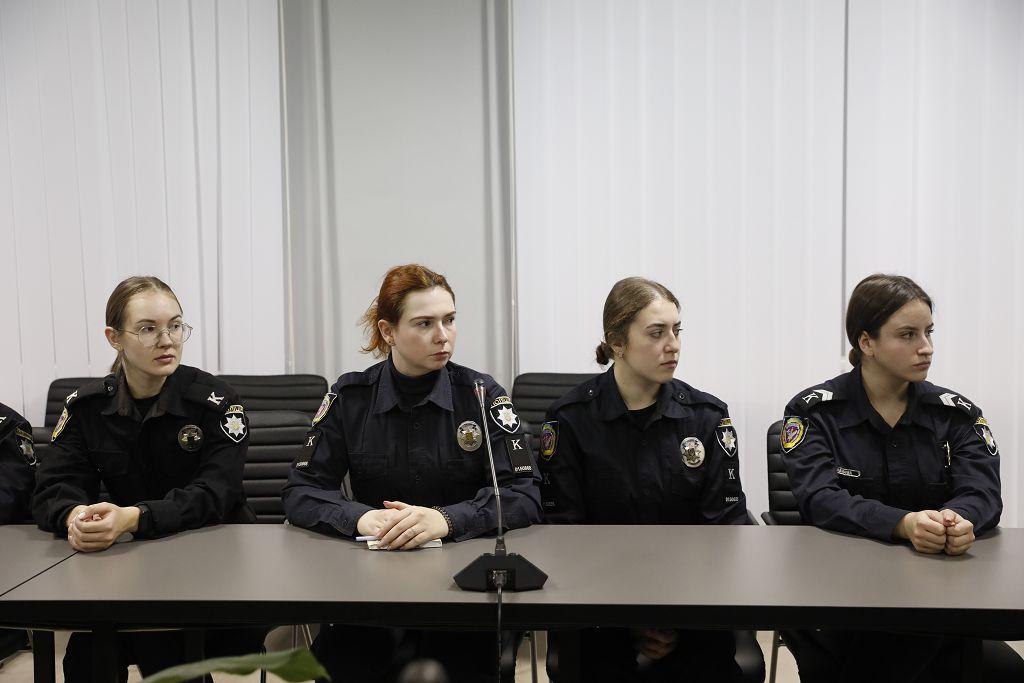
The event, which is held annually on the initiative of the Department of Cybersecurity and DATA Technologies of Kharkiv National University of Internal Affairs, was opened by the Vice-Rector of the University, Oleksandr Muzychuk. He emphasized the need to introduce information technologies into the educational process and the problems that arise when using artificial intelligence in the scientific sphere.
The event was attended by representatives of the Research Center for Forensic Expertise in the Field of Information Technologies and Intellectual Property of the Ministry of Justice of Ukraine, the Department of Information and Analytical Support of the Main Police Department in Kharkiv Region, the Kharkiv Research Expert and Forensic Center of the Ministry of Internal Affairs of Ukraine, Odesa State University of Internal Affairs, the National Technical University “Kharkiv Polytechnic Institute”, Lviv State University of Internal Affairs, Dnipro State University of Internal Affairs, V. N. Karazin Kharkiv National University, etc.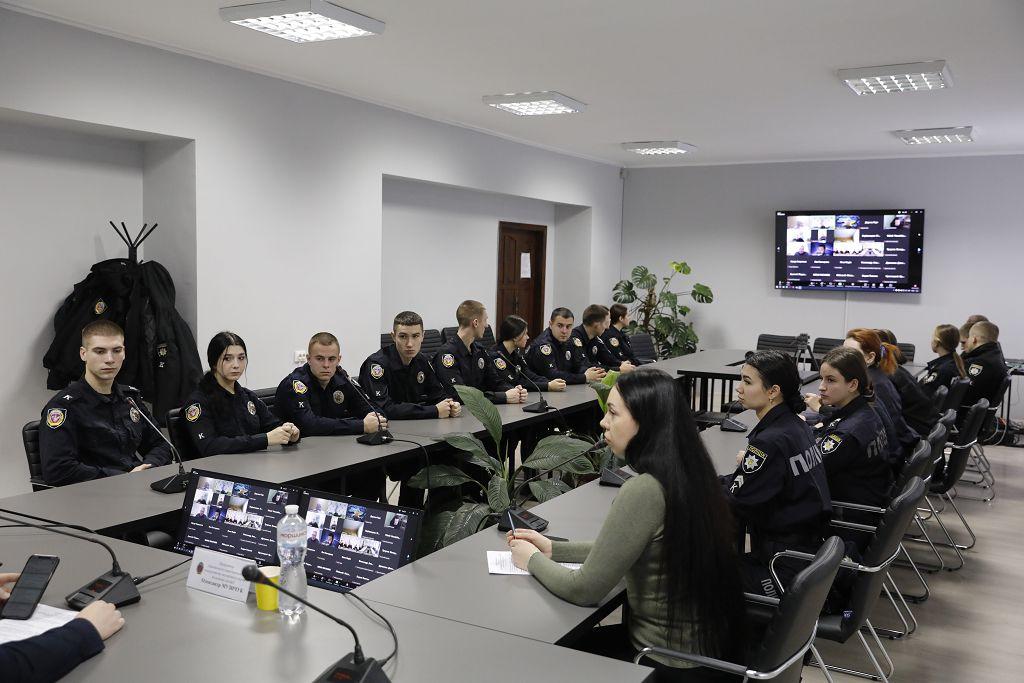
Director of the Scientific Research Center for Forensic Expertise in the Field of Information Technologies and Intellectual Property of the Ministry of Justice of Ukraine Mykhailo Mozhaiev spoke about the increase in the number of expert examinations related to the military aggression of the Russian Federation.
Head of the Department of Computer Engineering and Telecommunications Research of Kharkiv Scientific Research Center of the Ministry of Internal Affairs of Ukraine Vitalii Kolesnyk outlined the problematic issues related to the complexity of conducting expert examinations under the legal regime of martial law. He paid special attention to software tools for extracting information from mobile phones.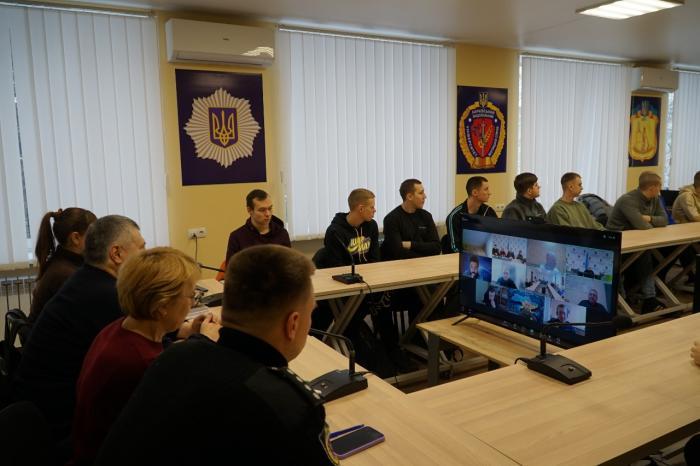
Deputy Head of the Department - Head of the Department of Administration of Information Systems and Telecommunications of the UIAP of the Main Police Department in Kharkiv Region Vadym Lysenko devoted his report to the peculiarities of the use of information technologies by police officers during military operations.
The speakers focused on the relevance of the use of information technologies, which is significantly increasing due to threats from the aggressor country and the need for the earliest possible implementation of intelligent data processing systems and information search in open sources in the activities of law enforcement agencies. An equally important direction is the cooperation of higher education institutions and practical bodies with the aim of improving the quality of training, since the implementation of information technologies significantly increases the efficiency of organizing the investigation of criminal offenses, conducting technical expertise and improves the methodological support of the National Police.