A two-day cybersecurity training session for academic and teaching staff was held at Kharkiv National University of Internal Affairs. It was organized by the European Union Advisory Mission on Civil Security Sector Reform in Ukraine, with the participation of experts from Romania.
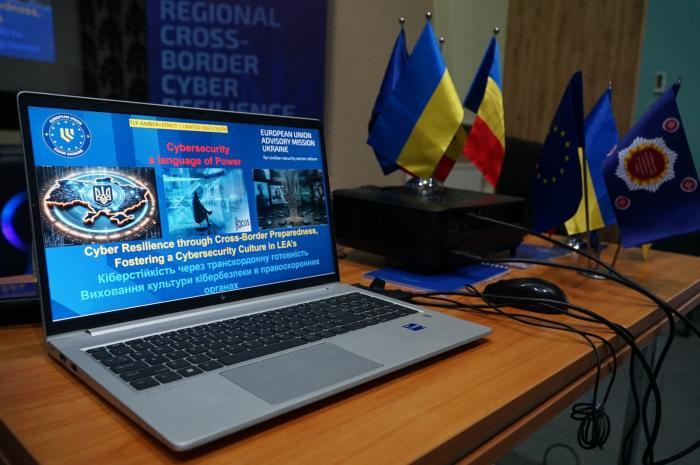
During the opening ceremony, Mykola Marchuk, director of Institute No. 4, emphasized the relevance of the training’s topic. Tetyana Matyushkova, head of the International Cooperation Department, noted the importance of the university’s continued cooperation with EUAM.
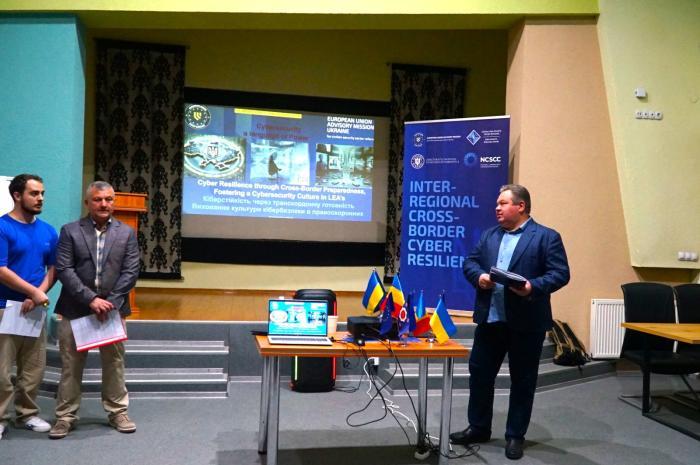
Representatives of EUAM in Ukraine — Dragoș Gabriel Dima, Josefine Lundberg Karman, Vasyl Bodnaryuk, and Vasyl Korniienko—also addressed the participants. Dragoș Gabriel Dima, Senior Adviser on Cybersecurity, EUAM Ukraine, thanked Valerii Sokurenko, Rector of Kharkiv National University of Internal Affairs, for supporting the Mission’s educational initiatives and emphasized solidarity with Ukrainian law enforcement officers who continue to work amid the war.

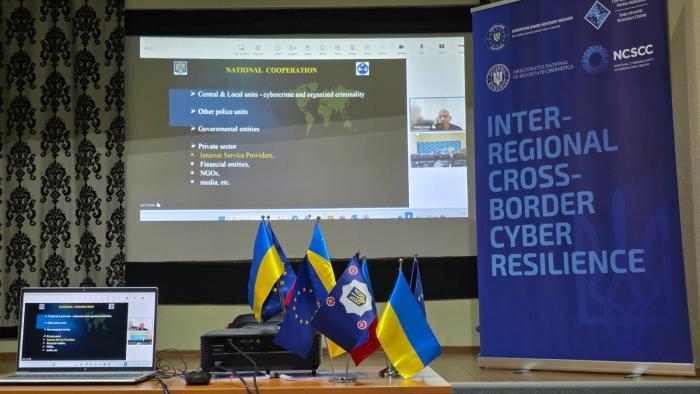
A significant portion of the program was conducted online with the participation of European experts. Representatives of relevant Romanian organizations shared their experiences, including Mircea Grigoras, Resilience Core Initiative-NGO, Vicepresident & Strategic Advisor; OSINT & Cyber Threat Analyst from DNSC- RO National Directorate on Cybersecurity Aurel Hustea; and Expert & Investigator Combat General Inspectorate of Romanian Police, Service for Investigating Computer Crimes & Bureau for Investigating Online Child Sexual Exploitation Crimes Silviu Crisan.
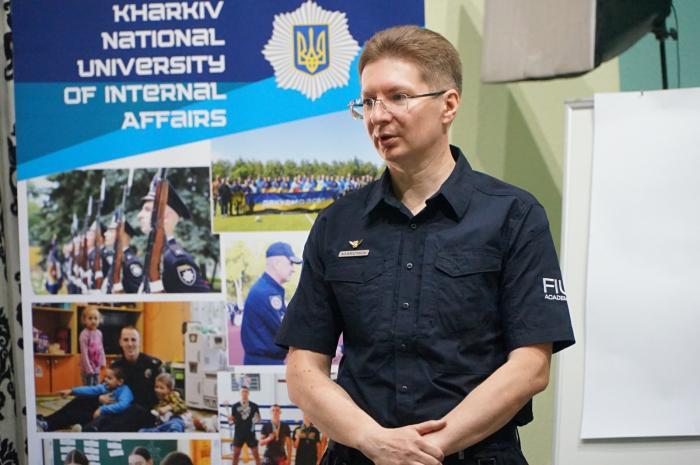
Foreign experts presented civil security practices, modern approaches to law enforcement, and methods for countering digital threats. Rostyslav Marchuk, Head of Academy of Ukraine Financial Monitoring, and Volodymyr Derkach, a representative of FinAP Group, also participated in the event.

Participants discussed the cyber resilience of law enforcement agencies, financial investigations, digital forensics, and the use of practical cybersecurity tools. Special attention was given to investigating online fraud using blockchain and cryptocurrency ledgers, financial monitoring in the digital environment, combating crimes against children, as well as checking suspicious files, domains, IP and URL addresses, and indicators of compromise (IoC).
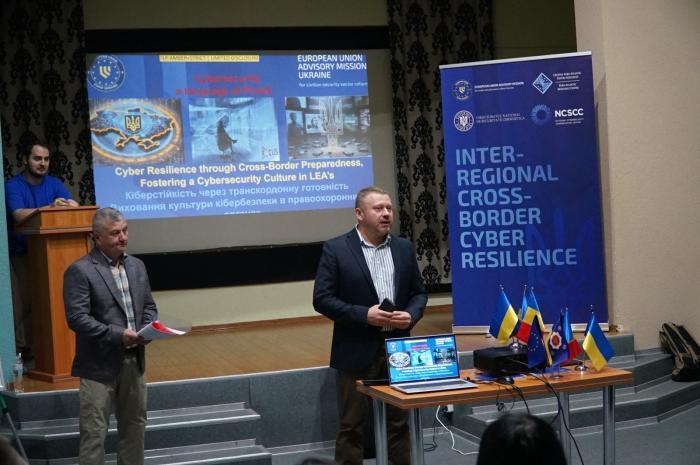
The combination of theoretical material and practical exercises enabled the academic and teaching staff of Kharkiv National University of Internal Affairs to update their professional knowledge and master tools that can be used in the training of future law enforcement officers.
Upon completion of the training, participants received certificates. The knowledge gained and practical skills developed will be incorporated into the university’s educational program.