



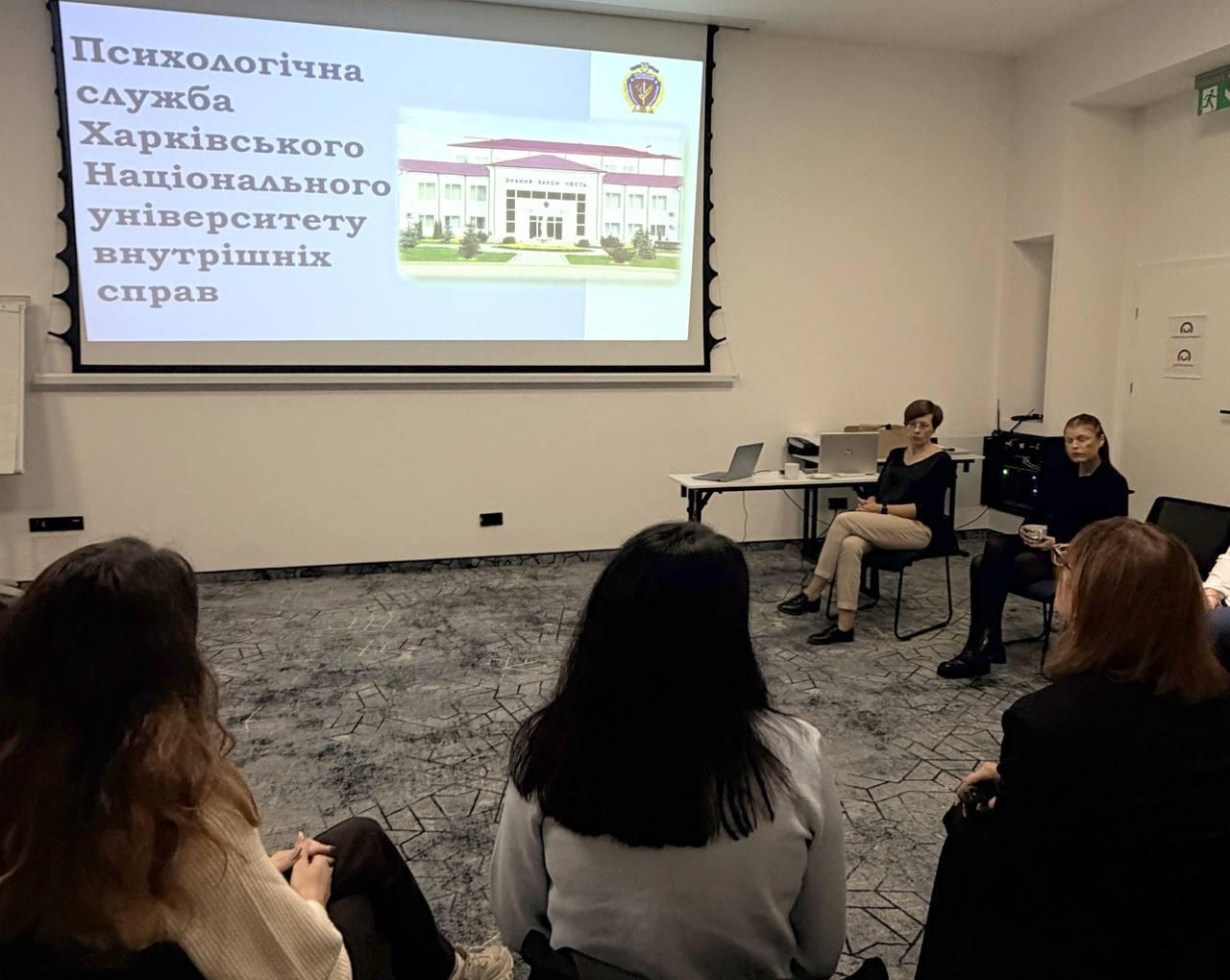
Psychologists of Kharkiv National University of Internal Affairs took part in a Polish-Ukrainian seminar on building psychological resilience and providing assistance in crisis situations.
The seminar was held within the framework of the project “Developing Mental Resilience to Crisis Situations: Strengthening the Capacity of Ukrainian Police Psychologists to Provide Effective Psychological Assistance,” funded by the Ministry of Foreign Affairs of the Republic of Poland under the 2026 Polish Development Cooperation Programme.
.jpg)
Ukrainian and Polish psychologists shared experience in overcoming the psychological consequences of war and explored methods of psychological first aid, crisis intervention, and the prevention of professional burnout.
Particular attention was paid to innovative technologies of psychological support. Participants learned about the potential of virtual reality for reducing emotional tension, developing cognitive skills, and working with fears.
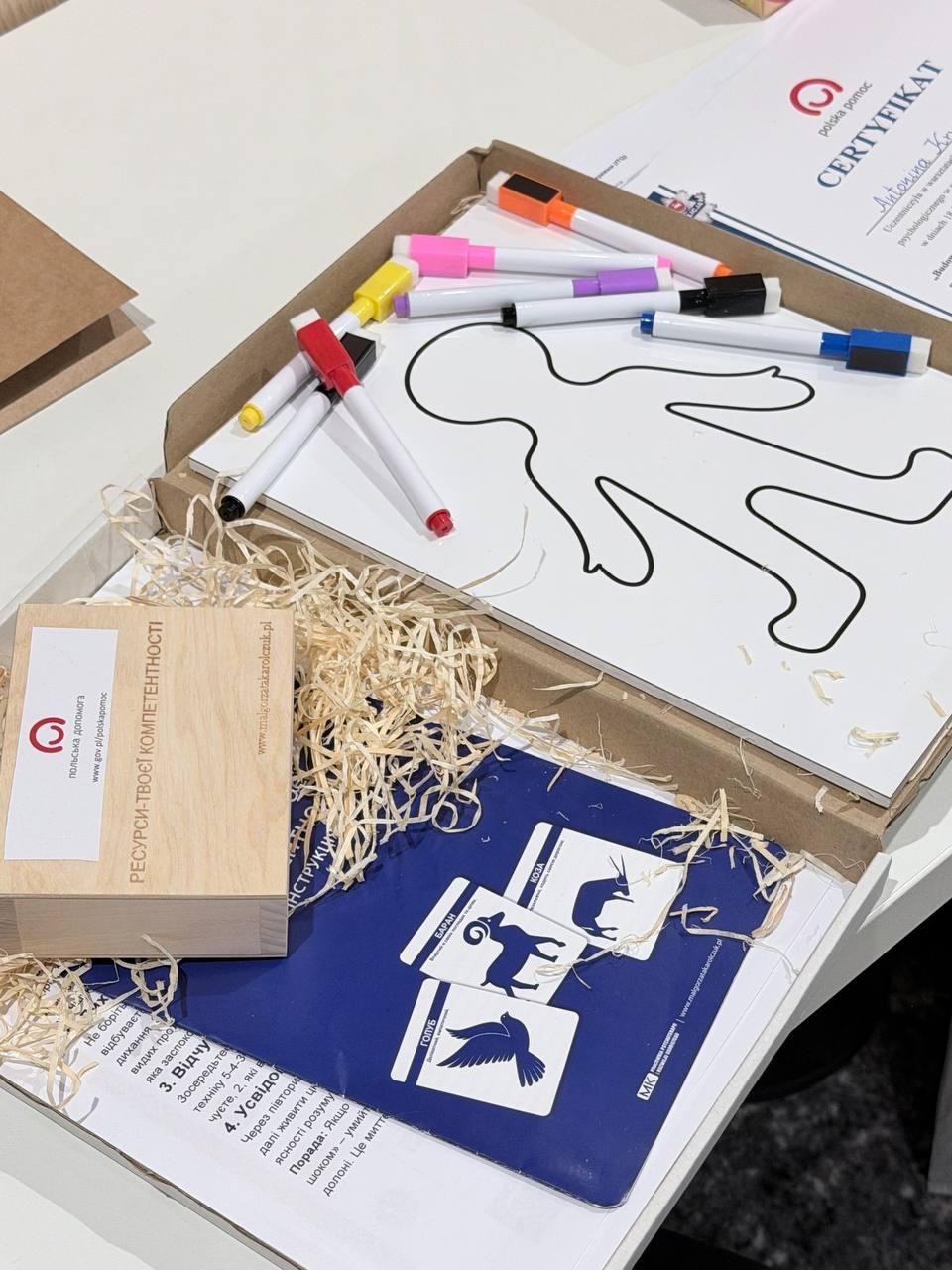
As part of the project, KhNUIA received three Meta Quest 3 VR headsets, as well as therapeutic equipment: massage mats, blankets, aroma lamps, sensory balls, and other tools for restoring psychological resources. This equipment will support the introduction of modern methods of psychological assistance and the preservation of the mental health of the university’s staff and students.
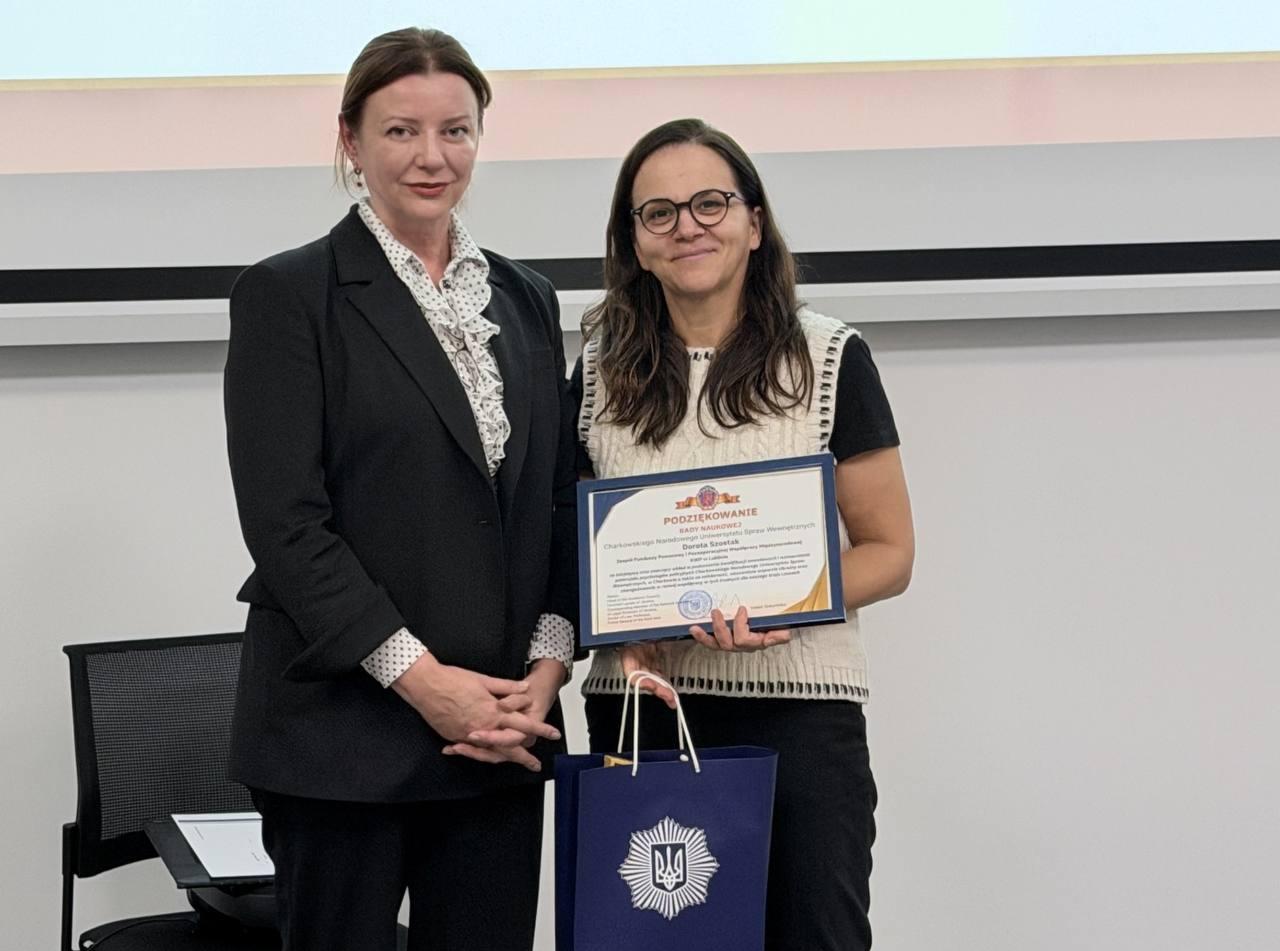
An important part of the international cooperation was the recognition of the Polish colleagues for their support of Ukraine and their significant contribution to developing psychological support for Ukrainian police officers. The Rector of KhNUIA, Lieutenant General of Police Valerii Sokurenko, presented letters of appreciation to representatives of the Police Headquarters in Lublin for their professionalism, solidarity with Ukraine, and contribution to strengthening the capacity of police psychologists.
.jpg)
Separately, the Polish partners were awarded Letters of Appreciation by the Academic Council of KhNUIA for their initiative, significant contribution to enhancing the professional qualifications and capacity of the university’s psychologists, invaluable support for Ukraine, and commitment to international cooperation. Gratitude was also expressed to the representatives of the Psychological Support Unit of the Police Headquarters in Lublin for their high level of professionalism during the training and practical seminar, their solidarity with Ukraine, and their support during wartime.
International partnership promotes the exchange of practical experience, the introduction of modern technologies, and the improvement of the system of psychological support for police officers under the challenges of war.

